
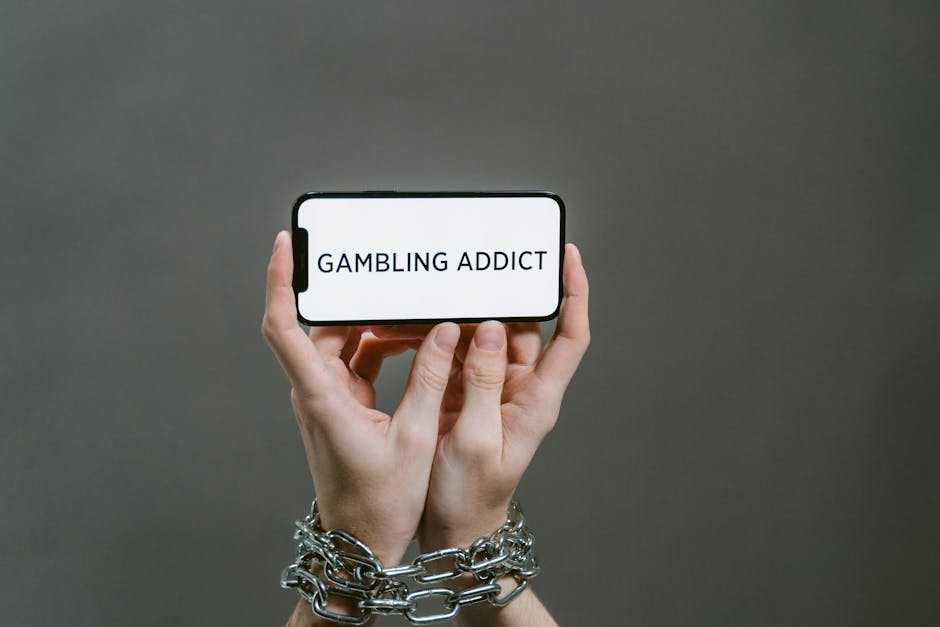
Understanding the Unique Triggers in Crypto Gambling
Crypto gambling doesn’t look like a casino, but it pulls the same psychological levers and then cranks them up. Accessibility is the first hook. With DeFi tools, mobile wallets, and unregulated platforms, you can enter and exit bets in seconds, anonymously. There’s no drive home, no cashier, no friction. That low barrier to entry makes it easy to spiral before you even realize what’s happening.
Then there’s the pace. The crypto market doesn’t sleep. Price moves happen at 2 a.m., and blockchain based games run around the clock. It’s a 24/7 dopamine machine that never powers down. The rush of winning or chasing losses fits into any pocket of the day (or night), and that constant availability keeps users in an always on mindset.
Volatility only adds fuel. In traditional gambling, odds are fixed. In crypto, even your winnings can lose value an hour later. That emotional whiplash euphoria one moment, despair the next keeps the brain locked in a perpetual cycle of “just one more try.”
Crypto doesn’t create the addiction. But it makes it faster, quieter, and harder to spot.
Learn more about key gambling addiction signs
Strategy 1: Increase Awareness of Addiction Patterns
In crypto gambling, addiction doesn’t always look the way people expect. There’s no smoke filled casino, no dice rolling just a screen, an endless stream of transactions, and often, complete anonymity. That makes it easier to hide, and easier to miss. In this setting, addiction often shows up as compulsion: chasing losses by swapping coins, staying up through market cycles, or obsessively scrolling price charts long after the fun is gone.
Red flags are usually behavioral. Signs include checking wallets or betting apps multiple times an hour, hiding activity from friends or partners, and feeling extreme emotional swings tied to wins or losses. When a person starts making impulsive financial decisions they later regret or loses sleep, money, or relationships due to their screen habits it’s time to take a closer look.
Self monitoring is one of the strongest defenses. That means tracking time spent betting, writing down emotional triggers, and being honest about what’s fueling the behavior. Digital detoxes help, too. Just a weekend off your exchanges can reset your mindset and your body’s reward system. Think of it not as quitting technology, but as giving your brain breathing room.
For detailed signs and recovery strategies, check out the full guide on gambling addiction signs.
Strategy 2: Leverage Crypto Responsible Tools
Gambling addiction recovery in crypto spaces demands tools that match the fast, often anonymous nature of the ecosystem. Fortunately, some platforms are embracing responsibility by offering support oriented features that empower users to regain control.
Platform Features That Promote Safer Use
Several crypto gambling platforms are introducing mechanisms traditionally found in regulated online casinos:
Deposit limits Let users cap the amount they can transfer or wager over a specific period.
Cooling off periods Temporarily restrict access to the platform to prevent impulsive relapses.
Self exclusion options Allow users to voluntarily block their own accounts for a fixed or indefinite time.
These features are crucial not only to limit access, but to give users time and space to recognize harmful patterns without the pressure of instant, 24/7 availability.
Blockchain Data as a Mirror
One unique advantage of crypto is the public ledger. This transparency can be turned into a recovery tool:
Review historical transaction patterns to observe possible addiction cycles.
Use third party tools or dashboards to visualize crypto activity.
Reflect on in/outflows with trusted peers or professionals.
By treating blockchain activity as a personal case study, users can gain self awareness through data that’s unfiltered and tied to actual behavior.
Decentralization and Accountability: A Double Edged Sword
While decentralized platforms offer more privacy and autonomy, they also present challenges when it comes to safeguarding users at risk.
Pros: Users maintain control without intrusive oversight, which may reduce stigma.
Cons: A lack of centralized support or monitoring means fewer protections for individuals struggling with addiction.
Key takeaway: Tools are only as effective as the systems that support them. Recovery in crypto isn’t just about limiting access it’s about creating a structure that encourages reflection, responsibility, and change.
Strategy 3: Build Community Based Recovery Models

Crypto moves fast, but so does support if you know where to find it. Online peer groups that understand the unique pressures of digital gambling can be a lifeline. It’s not just about telling your story; it’s about being heard by people who speak your language gas fees, 24 hour charts, NFTs, yield farming. This isn’t your average recovery circle.
Dedicated subreddits, moderated Discord servers, and invite only forums are filling the gap, offering spaces where crypto gamblers can talk openly without judgment. These aren’t fluff groups they’re where people compare strategies for resisting FOMO, swap stories of relapse and recovery, and set rules for personal conduct in DeFi spaces.
And accountability matters. Whether it’s a buddy system that flags risky transactions or weekly check ins with someone who knows the highs and crashes of Web3, community keeps you honest. Especially when dopamine is just a click away. In these spaces, recovery isn’t theoretical it’s coded into the daily grind.
Strategy 4: Incorporate Professional Support with Tech Fluency
Combating gambling addiction in crypto environments requires blending mental health expertise with digital awareness. Traditional treatment methods alone may fall short if they don’t account for the fast paced, anonymous, and hyper connected nature of crypto spaces. Recovery models need to evolve to meet users where they are digitally, psychologically, and culturally.
Work with Therapists Who Understand Crypto Culture
Not every therapist is equipped to navigate conversations around DeFi, NFTs, or volatile wallet fluctuations. Seeking out professionals who are fluent in crypto technology and the associated behavioral risks makes for more effective support.
Choose practitioners who understand online trading and gambling environments
Explore therapy options that specialize in financial risk behavior and addiction
Look for digital certifications or experience in tech driven addiction recovery
Use Customized, Tech Enabled Recovery Tools
Digital recovery support is expanding beyond mobile reminders. Creators are developing tools crafted specifically for financial and gambling behaviors driven by crypto platforms.
Cognitive Behavioral Therapy (CBT) apps tailored for crypto related addictions
AI powered chatbots that offer real time emotional support and behavioral check ins
Journaling apps that track patterns linked to market fluctuations or urgent trading urges
Bridge Traditional Methods with Emerging Tech
A hybrid approach is most effective blending evidence based methods (like CBT or group therapy) with smart technology. Innovation shouldn’t replace traditional support but enhance it.
Combine face to face or online therapy with on demand digital tools
Build recovery plans around individualized tech integration
Use crypto transaction data as behavioral feedback in therapy sessions
Staying ahead in crypto addiction recovery means staying open to unconventional tools but grounded in clinically proven strategies.
Strategy 5: Encourage Financial Hygiene and Goal Setting
Crypto blurs the lines between entertainment, investing, and gambling. That’s why financial hygiene isn’t just a budgeting tool it’s a recovery strategy. One of the simplest ways to draw the line is to separate your wallets. Recreational funds? Put them in a dedicated leisure wallet. Essentials like rent, groceries, and bills? Keep them in a hard to reach savings account or cold storage. When lines get fuzzy, risk gets reckless.
Next, make a clear distinction between investing and gambling. Investing has research, timelines, and risk management. Gambling hinges on quick dopamine hits. If your trades are based on a hunch or Reddit thread, pause. Setting rules like max monthly limits or waiting 24 hours before executing high risk moves helps break impulsive loops.
Finally, understand the role dopamine plays. You don’t need to gamble to feel good. Try reframing daily achievement: journaling your wins, sticking to a habit, even logging out on time. Rewire your brain to reward long term thinking it’s a subtle but powerful shift.
Financial self respect starts small and builds. The goal isn’t perfection it’s progress.
Moving Forward with Sustainable Support
Crypto isn’t the root of addiction it’s just a new lens. The chase, the risk, the rush: these patterns don’t disappear when fiat becomes Bitcoin or roulette becomes blockchain based slots. What changes is the pace, the access, and the camouflage. That’s why sustainable recovery in this space isn’t one size fits all.
It comes down to three things: awareness, accountability, and adaptation. Awareness means knowing your triggers, understanding the unique stressors of crypto systems, and spotting red flags early before small losses spiral. Accountability involves building support structures you’ll actually use, whether that’s a recovery Discord, a wallet lockout tool, or just a friend who’ll call you out. And adaptation? That’s staying ahead of the curve. As platforms get slicker and more immersive, recovery strategies have to evolve just as fast.
Crypto environments are dynamic your recovery plan should be too. Passive approaches won’t work here. Recovery in this context is about staying nimble and honest, because the risk is always one unchecked trade away.
 Legal and Regulatory Advisor