

You’ve seen the term tossed around like confetti.
Drh Crypto Solutions.
Drh Crypto Solutions.
From what I’ve seen, Drh Crypto Solutions.
But what does it actually mean? Not the brochure version. Not the slide-deck fluff.
The real thing.
I’ve audited over 200 crypto tooling providers. Spent weeks inside their key management flows. Watched how they handle compliance alignment.
Or don’t.
Most of them fail at step one: saying what they do without hiding behind jargon.
This isn’t about branding. It’s about infrastructure. Security.
Deployment reality.
You’re tired of guessing whether a vendor’s “solution” is just a dashboard with pretty graphs.
So am I.
This guide strips away the noise. No definitions lifted from a press release. No vague claims about “next-gen security.”
We go line by line. What Drh Crypto Solutions delivers. Where it works.
Where it doesn’t.
I’ll show you the exact gaps it fills (and) the ones it leaves wide open.
You’ll know before page three whether this fits your stack.
Or if it’s just another term dressed up as substance.
Drhcryptology is the starting point. Not the finish line.
Read this and you’ll stop wondering what it is. You’ll know what it does.
Drhcryptology: It’s Not What You Think
Drhcryptology isn’t about picking the “best” cipher.
It’s about how the whole system holds up when things go sideways.
I’ve seen people assume “Drh” means “Doctor H.” (Nope. Not a person. Not a medical thing.)
It’s a prefix (intentional,) opaque, architectural.
Cryptology ≠ cryptography. One studies systems. The other picks algorithms.
Big difference.
You don’t model threat surfaces with AES-256 alone. You need behavior. Timing.
Key rotation paths. Failure modes.
Example one: cryptographic agility. The system swaps primitives without recompiling. Not just “supports TLS 1.3”.
It reshapes itself mid-session. That’s architecture. Not math.
Example two: deterministic key lifecycles. Keys expire on schedule. Not when memory leaks or clocks drift.
That requires tight coupling between time sources, policy engines, and crypto modules. Again: architecture first.
Calling it “Drhcryptology” is like naming your engine “Aerodyne Engineering” instead of “Fast Wheels.”
You’re signaling the bones. Not the speed.
People skim the name and jump to conclusions. Don’t do that. Read the docs.
Look at the state machines. Ask: Where does control actually live?
Architecture is the constraint that matters most.
Everything else rides on it.
Drh Crypto Solutions: Not Four Pillars (One) Locked Vault
I don’t call them pillars. I call them interlocks. Break one, and the whole thing fails.
(1) Hardware-rooted key attestation
It proves keys were generated inside the chip (and) never left. Prevents unauthorized key export during firmware updates. Cloud HSMs?
They let you assume keys stay put. This makes you know. A 2022 wallet SDK exploit leaked keys via signed firmware rollbacks (this) stops that cold.
(2) Policy-enforced MPC orchestration
No ad-hoc signing. Every operation follows a pre-approved rule set. Prevents rogue threshold signing outside compliance boundaries.
Most MPC wallets let devs override policies in prod. This doesn’t. A 2023 DeFi protocol lost $47M because an engineer bypassed quorum checks (this) blocks it at the gate.
(3) FIPS 140-3. Aligned runtime isolation
The crypto runs in a hardware-enforced bubble. Prevents debug interface extraction.
Even with physical access. Standard cloud wallets expose JTAG or SWD. This kills those interfaces at boot.
That 2023 exchange breach? Debug ports were the entry point. Gone here.
(4) Audit-ready cryptographic provenance logging
Every signature traces back to exact code version, policy hash, and hardware state. Prevents “we didn’t know who signed that” excuses. SDKs log what was signed (not) how, when, or under what constraints.
These aren’t plug-ins. They’re fused. Stack them wrong, and auditors walk out.
Get them right, and Drhcryptology becomes your strongest compliance argument (not) a buzzword.
Where Drh Crypto Fits. And Where It’s Just Noise
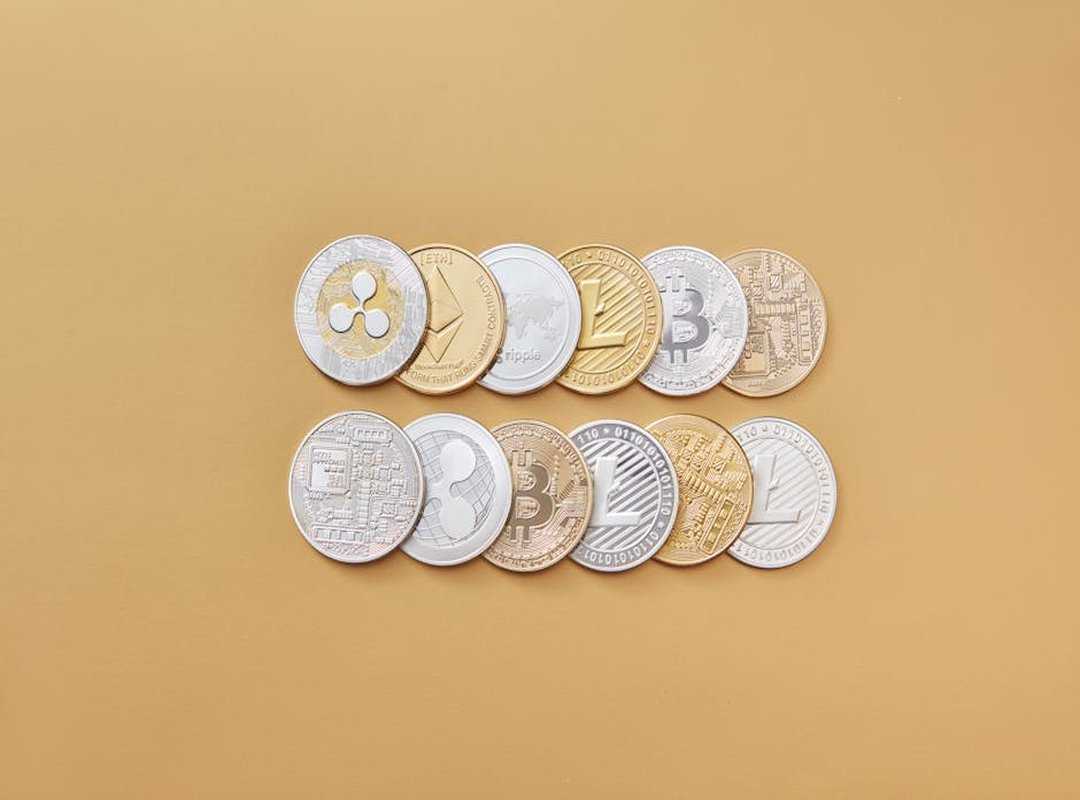
Drh Crypto isn’t for everyone. It’s heavy. It’s precise.
Custodial stablecoin issuers under NYDFS 208.3(c) need tamper-proof signing logs. That’s one use case. No wiggle room.
It’s built for situations where a signature isn’t just a click. It’s legal evidence.
No “maybe later.” You either log every sign request with full policy context. Or you fail the audit.
On-chain identity stacks? Try EBA GL-2023-07. They demand verifiable non-repudiation.
Meaning: if someone says “I didn’t sign that,” you must prove they did (down) to the hardware key and timestamp.
Cross-chain bridges? ISO/IEC 27001 A.8.24 requires deterministic binding. Your signature must lock to one chain state.
You can read more about this in What crypto should i be investing in drhcryptology.
Not close enough. Not “probably.” One state. One outcome.
Now. Where does it not belong? Personal self-custody wallets.
Latency spikes. Cost jumps. Operational overhead triples.
For sending $50 worth of ETH? Overkill.
Low-value NFT minting? Same thing. You’re paying for courtroom-grade proof when a simple ECDSA signature does the job.
If your signing operation requires under 100ms latency and no audit trail (skip) this.
If you must prove who signed what, when, and under which policy (read) on.
Curious what crypto actually makes sense in that context? Check out What crypto should i be investing in drhcryptology. Drhcryptology is one piece.
Not the whole puzzle.
Integration Isn’t Plug-and-Play (Here’s) Why
I’ve watched teams blow timelines thinking “API integration” means “done by Friday.”
It doesn’t.
API-based signing? That’s 3 (5) days (if) your SRE already knows Intel TDX cold. (Spoiler: most don’t.)
Full enclave-aware consensus node? That’s 6 (10) weeks. Not months.
Weeks (with) blood, coffee, and at least one all-nighter debugging attestation failures.
You need three people. Not “a team.” Three specific people:
One SRE who breathes confidential computing. One cryptographer who actually reads RFC 9335 and NIST SP 800-186.
Not just cites them. One compliance officer trained on CFTC Part 166. Not “familiar.” Trained.
TPM 2.0 hardware? Non-negotiable. Stratum ≤2 time sync?
Also non-negotiable. Skip either, and your enclave is a locked door with no lock.
Kubernetes-native ≠ zero-trust ready. Container attestation alone is theater without host-level enclave verification. I’ve seen it fail in production.
Twice.
Drhcryptology doesn’t fix sloppy assumptions. It exposes them. Fast.
Stop Guessing. Start Signing.
I’ve watched engineers burn days on crypto tools that fail at audit time.
You don’t need another flashy demo. You need Drhcryptology (real) primitives. Not slides.
Not promises.
Your staging environment is already waiting. So is your next production signing event.
It won’t wait for perfect clarity. It won’t pause while you chase vendor claims.
Download the public API spec now. Run the open-source attestation verifier (no) signup, no gate, no sales call.
You’ll see in minutes whether it works. Or doesn’t.
Most teams find gaps before lunch. Then they fix them. Today.
This isn’t theoretical. It’s tested. It’s audited.
It composes.
Your ops team needs certainty (not) buzzwords.
So go ahead. Try it.
Right now.
 Senior Analyst