
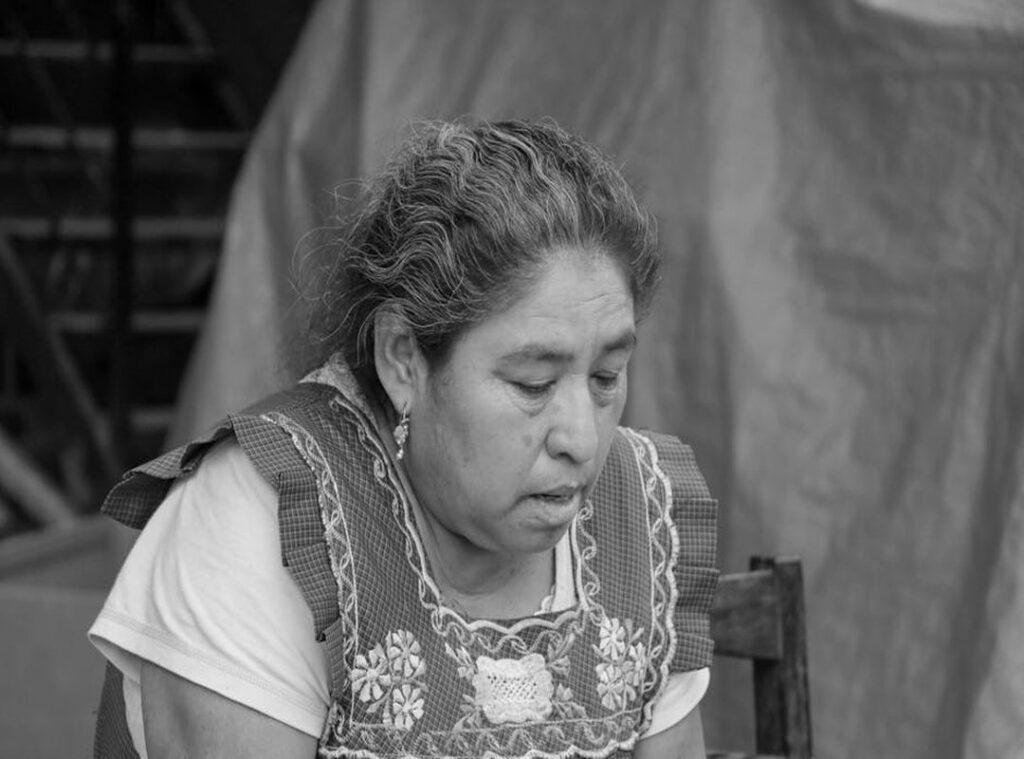
Women’s imagery is a vast and complex topic. It spans from art to media, and it’s everywhere. But there’s a problem.
The lack of diverse and inclusive representation can lead to stereotypes and misrepresentation.
This article aims to provide a detailed overview of the latest trends, issues, and best practices in the use of poto de persona mujeres. We’ll dive into why this matters and what we can do about it. Trust us, we have a deep understanding of visual arts and media.
So, let’s get started.
The Evolution of Women’s Imagery in Art
Women have been depicted in art for thousands of years. From ancient fertility goddesses to modern abstract forms, the portrayal of women has evolved dramatically.
In ANCIENT TIMES, women were often shown as deities or symbols of fertility. Think of the Venus of Willendorf, a small statue that dates back to 25,000 BC. It’s a prime example of early female imagery.
The RENAISSANCE brought a shift. Women were depicted with more realism and individuality. Artists like Leonardo da Vinci and Raphael painted detailed, lifelike portraits.
These works celebrated the beauty and grace of women, but still within the confines of societal norms.
IMPRESSIONISM, in the late 19th century, started to break those chains. Artists like Claude Monet and Edgar Degas captured women in everyday life. They showed women in motion, at work, and in leisure.
This was a significant step towards more natural and relatable portrayals.
MODERNISM took it even further. Artists like Pablo Picasso and Henri Matisse experimented with form and color. Women became subjects of artistic innovation, not just traditional beauty.
This movement challenged conventional representations and opened up new possibilities.
Contemporary trends in art are all about diversity and empowerment. Today, artists like Frida Kahlo and Cindy Sherman use their work to challenge stereotypes and highlight the strength and complexity of women. Their art is a reflection of the broader social movements pushing for equality and representation.
| Art Movement | Key Characteristics | Impact on Women’s Imagery |
|---|---|---|
| Renaissance | Realism and individuality | More detailed and lifelike portrayals |
| Impressionism | Everyday life and motion | Natural and relatable depictions |
| Modernism | Experimentation with form and color | Challenging conventional representations |
Poto de persona mujeres in contemporary art often reflect the struggles and triumphs of women. This shift is supported by data. A study by the National Museum of Women in the Arts found that while women make up 51% of visual artists, they receive only 30% of solo shows in major U.S. museums.
This disparity highlights the ongoing need for more diverse and empowering representations.
In summary, the evolution of women’s imagery in art is a story of gradual change and growing empowerment. Each movement has contributed to a more nuanced and inclusive portrayal of women.
Women’s Imagery in Media and Advertising
Media often portrays women in stereotypical roles. You see it in television, film, and print publications. These portrayals can shape how society views women.
Advertising plays a big role too. It can either reinforce those stereotypes or challenge them. Efforts to promote more positive and realistic representations are on the rise.
Take a look at some successful campaigns. They’ve positively represented women and made a real impact. For example, Dove’s “Real Beauty” campaign celebrated diverse body types.
It changed how many people think about beauty standards.
Understanding these trends is important. It helps you recognize and support brands that value and respect women. This can lead to a more inclusive and respectful media landscape.
Poto de persona mujeres is a term you might hear. It refers to the portrayal of women in a way that reflects their true, multifaceted nature. This kind of representation benefits everyone by fostering a more equitable and understanding society.
Diversity and Inclusion in Women’s Imagery
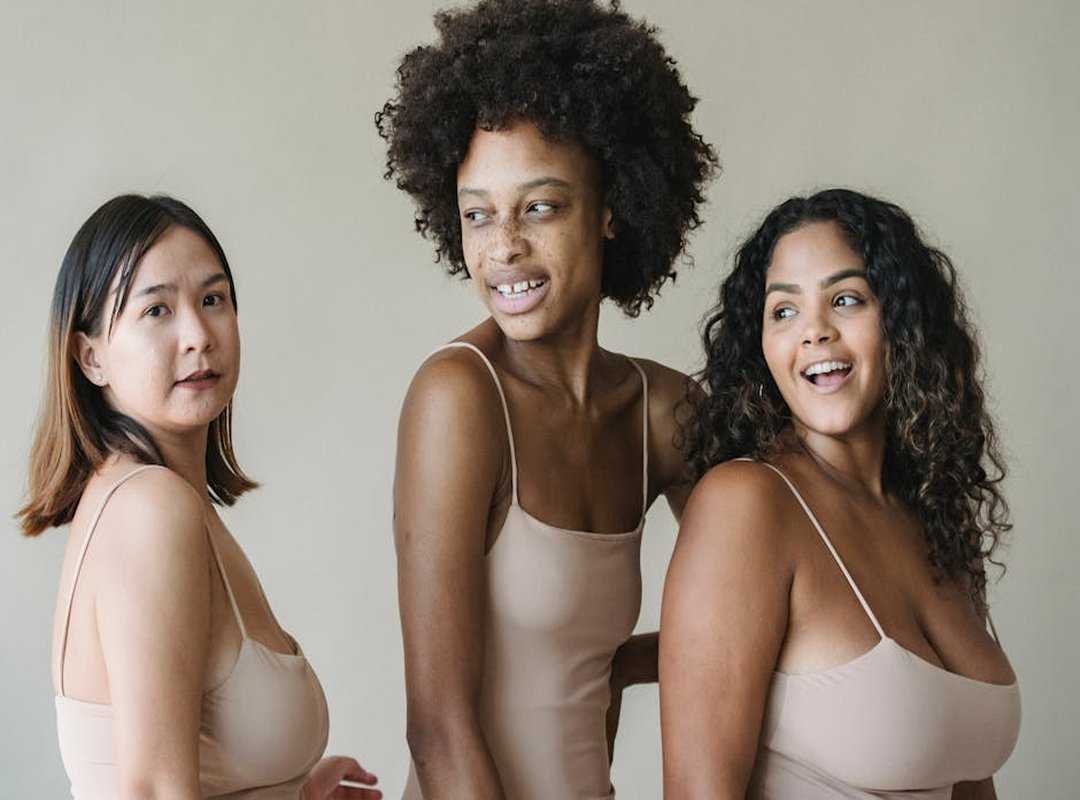
Importance of Diversity
It’s crucial to represent a wide range of women in terms of age, race, body type, and background. When we see diverse women in media, it helps everyone feel seen and valued. Simple as that.
Challenges and Barriers
Achieving diversity and inclusion in imagery isn’t easy. There are systemic barriers like bias in the industry and a lack of representation behind the scenes. These issues need to be addressed head-on.
Otherwise, we end up with the same old stereotypes.
Success Stories
There are some great initiatives out there making a difference. Organizations like Dove and Aerie have been at the forefront, promoting poto de persona mujeres and other inclusive imagery. They show that it’s possible to challenge norms and still be successful.
We need more companies to step up and do the same. It’s not just about doing the right thing. It’s also good for business.
Consumers today want to support brands that reflect their values.
By focusing on diversity and inclusion, we can create a more equitable and representative world. And that’s something we should all get behind.
Empowerment and Positive Representation
Empowering imagery is crucial, and it celebrates women’s achievements, strengths, and individuality. It’s about showing the world what women are capable of.
Role models in imagery can inspire and influence others. They show us what’s possible. Sometimes, just seeing someone like you succeed can change your life.
But here’s the thing. Not everyone agrees on what empowerment looks like. Some people think it means being tough and independent.
Others see it as embracing vulnerability and support. It’s a bit of a gray area.
poto de persona mujeres is a great example. It showcases women in all their diverse glory. But even with these images, we need to be careful.
We don’t want to fall into the trap of one-size-fits-all representation.
Positive role models can come from all walks of life. They can be athletes, artists, or everyday heroes. The key is to find those who resonate with you.
Who makes you feel seen and inspired?
In the end, it’s about balance. We need to celebrate both the strong and the vulnerable. Both the leaders and the team players.
Because every woman’s journey is unique.
The Future of Women’s Imagery
The evolution of women’s imagery has seen significant shifts, moving from narrow and stereotypical representations to more diverse and empowering portrayals. poto de persona mujeres now reflect a broader range of identities, experiences, and roles. This change is crucial for promoting inclusivity and challenging traditional gender norms. Continued efforts are essential to ensure that all forms of imagery represent women in a way that is both positive and realistic.
By supporting and advocating for these representations, we can contribute to a more equitable and just society.
 Legal and Regulatory Advisor