
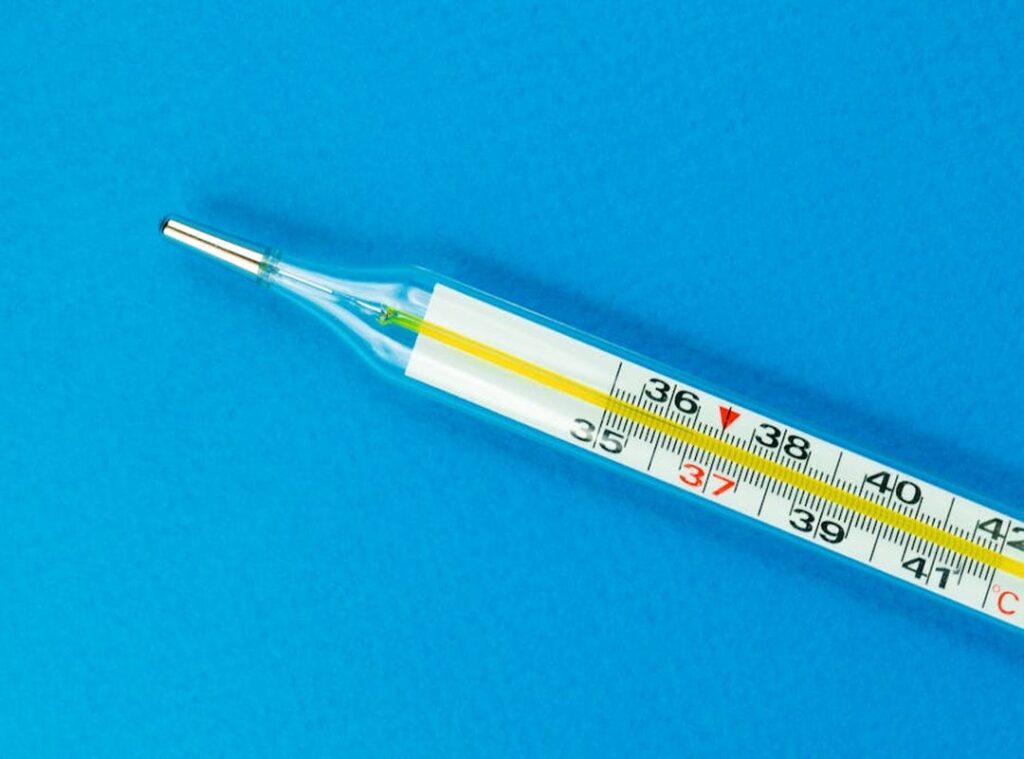
You’re looking for a thermometer lagnat picture. I get it. You want to see what a fever actually looks like on a thermometer.
It’s one thing to know a fever means a high temperature, but seeing the actual number can be confusing.
This article is here to help. We’ll provide a clear visual guide to fever readings on different types of thermometers. By the end, you’ll be able to spot a fever reading and understand what those numbers mean.
Why is this important? For peace of mind, and knowing when to take action for yourself or a loved one. Let’s dive in.
Decoding the Numbers: What Temperature is Officially a Fever?
Let’s get one thing straight: a fever isn’t just when you feel a bit warm. It’s officially defined as a body temperature of 100.4°F (38°C) or higher.
Fever Levels for Adults
- Low-grade: 100.4°F – 102.2°F
- Moderate: 102.2°F – 104°F
- High: Above 104°F
Fever Temperatures for Children and Infants
For the little ones, the thresholds are different and often lower. You’ll want to be more cautious with them.
- Infants (0-3 months): A temperature of 100.4°F (38°C) or higher is a concern.
- Children (3-36 months): Anything above 102.2°F (39°C) should be checked out.
- Older Children (3+ years): Similar to adults, but always better to err on the side of caution.
The ‘Normal’ Body Temperature
You might have heard that 98.6°F (37°C) is the gold standard. But let’s be real, it’s just an average. Your body temperature can fluctuate throughout the day.
So, don’t freak out if you’re a degree or two off.
Methods of Taking Temperature
The way you take your temperature can slightly alter the reading. Here’s a quick rundown:
- Oral: Easy and common, but not the most accurate.
- Rectal: Often considered the most accurate, especially for infants. (Sorry, not the most glamorous, but it gets the job done.)
- Forehead: Quick and non-invasive, but can be less reliable.
Remember, a high fever is no joke. If you or your kids hit those numbers, it’s time to call the doc. And hey, if you’re feeling a bit too toasty, maybe it’s time to chill out—literally.

A Visual Guide to Fever Readings on Common Thermometers
When it comes to taking your temperature, different thermometers give you different experiences. Let’s break down what a fever looks like on each one.
Digital Stick Thermometer:

A standard digital thermometer will flash the number, like 101.5°F, and often beep to alert you. It’s straightforward and easy to read.
Forehead (Temporal Artery) Thermometer:

These thermometers usually have a color-coded screen. If it shows red, that means you’ve got a fever. It’s a quick and non-invasive way to check.
Ear (Tympanic) Thermometer:

The in-ear thermometer displays a fever temperature, like 102.3°F. Make sure you place it correctly in the ear canal for an accurate reading. It’s all about precision here.
Smart Thermometers:

These modern devices connect to your phone app, showing a fever reading along with a history of past temperatures. It’s a great way to track and monitor over time. Plus, you can share the data with your doctor if needed.
Glass (Mercury-Free) Thermometer:

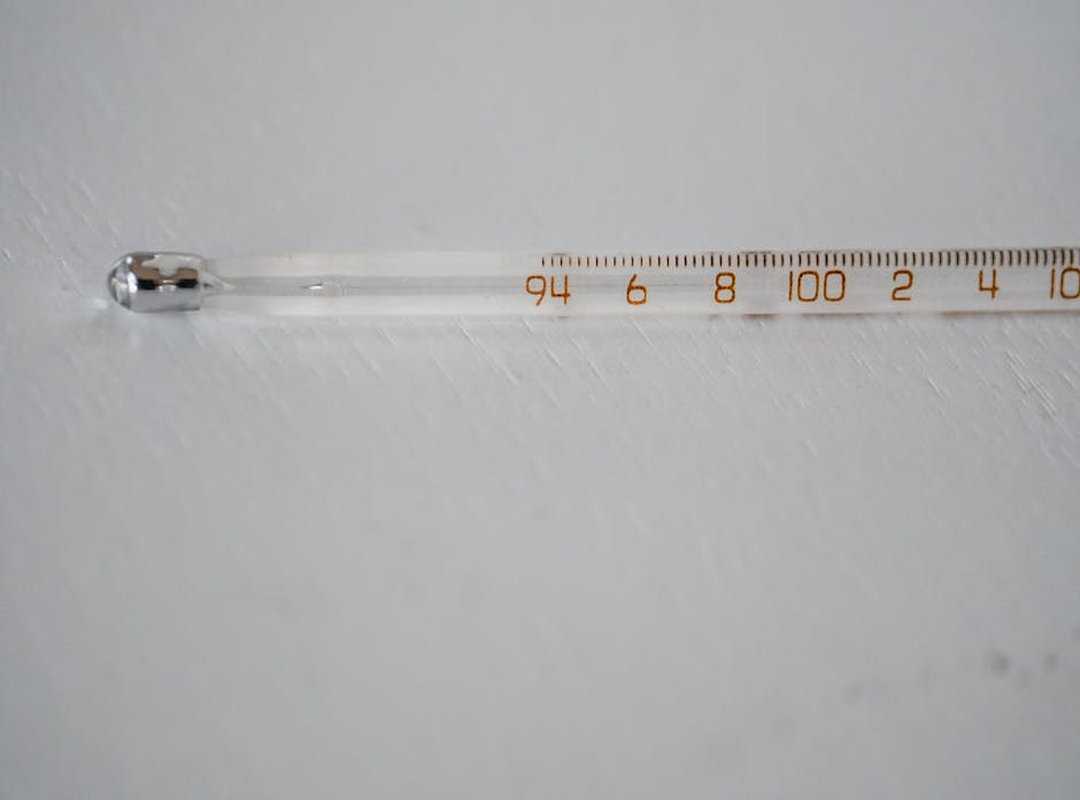
A traditional glass thermometer with a liquid line past the 100°F / 38°C mark indicates a fever. Reading this analog device is simple but requires a bit more patience.
Each type has its pros and cons. Personally, I prefer the ease and accuracy of digital and smart thermometers. They’re just more reliable and user-friendly.
But if you’re old-school, the glass thermometer still gets the job done.
Remember, if you or someone you know is dealing with a persistent fever, it’s always a good idea to consult a healthcare professional. And if you’re into tech solutions, consider how AI can help in other areas of health, like its role in preventing problem gambling.
Common Mistakes That Lead to an Inaccurate Temperature Reading
Taking a temperature right after eating, drinking a hot or cold beverage, or exercising can mess up the reading. Wait 15-20 minutes before you take it, and trust me, it’s worth the wait.
| Thermometer Type | Correct Placement |
|---|---|
| Oral | Deep under the tongue |
| Ear | Correct angle in the ear canal |
| Forehead | Full swipe across the forehead |
Placement is key. For oral thermometers, place it deep under the tongue. For ear thermometers, make sure you get the right angle.
And for forehead ones, do a full swipe.
Using the wrong thermometer for the job can also lead to problems. Don’t try to use an oral thermometer on a crying toddler or someone who’s congested. It’s like trying to fit a square peg in a round hole.
Low batteries in digital thermometers can give you erratic readings. Check the battery regularly. You don’t want to be in a situation where you think you have a fever, but it’s just the thermometer acting up.
Clean your thermometer before and after each use. Residue can interfere with the sensor and give you a false reading. It’s like not cleaning your glasses and then wondering why everything looks blurry.
thermometer lagnat picture
Stay sharp and stay healthy.
When a Fever Reading Means It’s Time to Call a Doctor
Understanding when a fever reading is a cause for concern can help you make informed decisions about your or your child’s health. For infants under 3 months, any fever of 100.4°F (38°C) or higher warrants an immediate call to a doctor.
For adults and older children, certain signs should prompt you to seek medical advice. These include difficulty breathing, severe headache, confusion, a rash, or a fever that lasts more than three days.
A thermometer lagnat picture can provide valuable information, but it is not a diagnostic tool on its own. Always consult with a qualified healthcare provider for a proper evaluation and treatment.
This guide is for informational purposes and should not replace professional medical advice from a qualified healthcare provider.
 Legal and Regulatory Advisor