
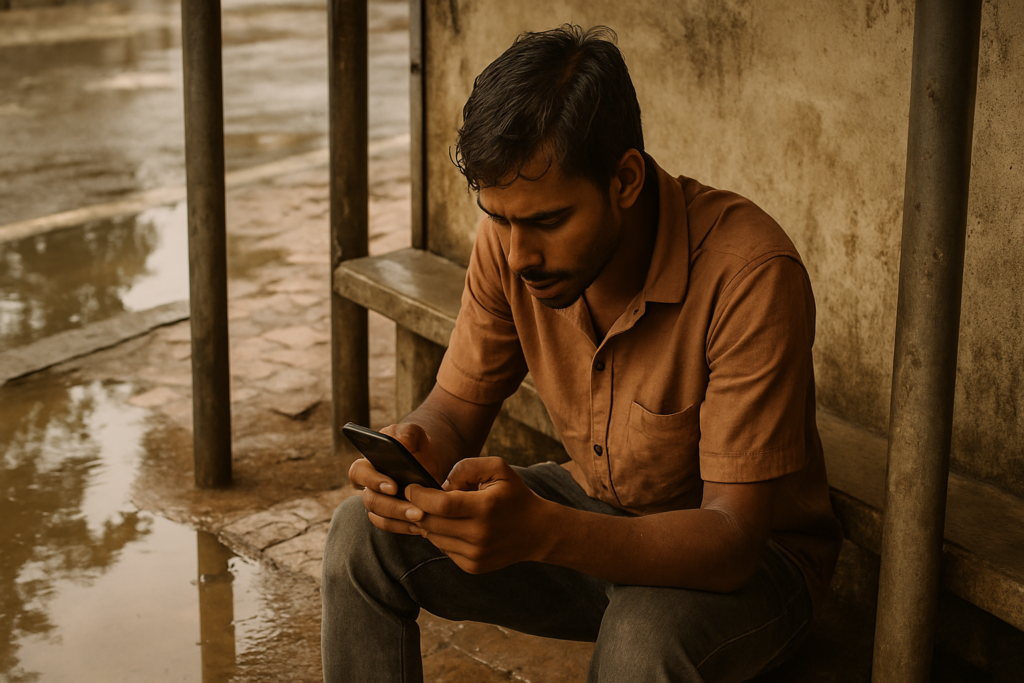
Regulatory Shifts Making Waves
Crypto gambling is no longer operating in a legal gray zone at least not everywhere. In 2024, several emerging markets are drawing clear lines in the sand, and the message is mixed: some doors are closing, others cracking open.
Brazil is softening its stance. The government recently laid out provisional guidelines recognizing crypto gambling under a broader digital entertainment framework. While there’s still a lot of paperwork and a focus on taxation, the mood is shifting from prohibition to regulation. Local operators are optimistic.
India, meanwhile, is clamping down. The Ministry of Electronics and Information Technology updated its compliance codes, outlawing offshore crypto betting platforms and tightening up on token tracing. It’s a tough pill for a market with huge user demand and a growing blockchain community.
The Philippines is walking a tightrope. The country’s Gaming and Amusement Board signaled support for regulated crypto betting particularly for licensed eGames operators while the central bank joined a pilot blockchain project aimed at tracking money flows. It’s cautious but forward leaning, a template that might surface across Southeast Asia.
Central banks in these regions aren’t fully sold, but they’re also not ignoring the momentum. Their involvement signals a slow but serious move toward defining frameworks that could balance opportunity with oversight. Whether that leads to smoother adoption or heavier restriction the jury’s still out.
For more, read Crafting Cryptocurrency Gambling Policies in Emerging Economies.
Market Momentum: Who’s Betting Big
Decentralized betting platforms are having a moment and it’s not just hype. Across Latin America and Southeast Asia, crypto casinos are pulling in tens of thousands of new users per month, with double digit growth that’s starting to look like a long term trend. Bypassing banks and central authorities has always been one of crypto’s selling points, but now users are leaning into that freedom for entertainment, not just investment.
The surge is being driven, in large part, by younger, mobile first audiences. These are users who grew up with apps, skipped desktops, and expect speed, autonomy, and anonymity. Traditional betting sites feel slow and rigid in comparison. Web3 platforms give them smoother onboarding, instant payouts, and depending on blockchain choice little to no ID verification.
It’s still early in the game, but if the numbers keep climbing, decentralized platforms won’t just be alternatives. They’ll be the new baseline.
Barriers Still Blocking Full Adoption

Despite the hype, crypto gambling in emerging markets faces serious hurdles and they’re not going away quickly. First, the legal gray zones are a real drag. Regulations vary wildly between countries, and sometimes, even within them. What’s legal in one region can get a platform banned in another. Operators and users are left guessing and often scrambling to stay compliant or simply stay online.
Then there’s the money problem. In places hit hard by inflation, people are turning to crypto as a hedge. But that comes with its own volatility. One day you’re up, the next your digital wallet cuts your stack in half. Betting with crypto in these unstable economies tends to feel more like rolling dice twice.
Finally, Know Your Customer (KYC) rules are a mess. While KYC is essential to prevent fraud and laundering, enforcement is inconsistent. Some platforms skip it completely, while others bog users down with clunky ID processes. Striking a balance between accessibility and accountability is still a work in progress.
If you’re navigating this landscape, you need more than luck. Check out Crafting Cryptocurrency Gambling Policies in Emerging Economies for deeper insights.
Why This Matters Now
Crypto gambling isn’t just about flashy tokens and digital slot machines it’s quietly becoming a proving ground for how nations approach blockchain tech. In countries where traditional financial infrastructure falters, decentralized betting platforms are testing everything from smart contract reliability to cross border currency use. Governments are watching closely.
But here’s the rub: economic empowerment can clash with responsible regulation. On one hand, crypto betting opens income streams and access for populations often left out of legacy systems. On the other, it raises red flags about addiction, fraud, and volatility. The stakes are high, and the balance isn’t easy.
That’s where innovators come in. There’s real white space for builders to design smart guardrails think wallet based cooldowns, transparent odds, or blockchain native ID verification. As trust becomes the currency of this niche, the winners will be those who make it more accessible without making it more dangerous. In 2024, crypto gambling isn’t just about luck it’s about laying groundwork for national blockchain futures.
What to Keep an Eye On
As cryptocurrency gambling continues to grow in emerging markets, several signals point to major developments ahead. From regional policy reviews to technical advancements, the next phase will likely determine how sustainable and how regulated this sector becomes.
Regional Policy Reviews: Africa and Asia Pacific in Focus
Multiple nations across both Africa and the Asia Pacific region are gearing up to revisit their existing crypto gambling frameworks. These reviews may lead to clearer regulations or tighter restrictions.
Key developments to watch:
Nigeria and Kenya: Both have hinted at regulatory adjustments influenced by recent growth in crypto betting activity.
Philippines and Vietnam: Regulations may evolve as governments balance economic interests with consumer protection.
India: Ongoing legal debates around digital assets could shape policy on crypto wagering.
Stablecoin Integration Gaining Momentum
As price volatility remains a barrier for traditional cryptocurrencies, stablecoins are emerging as a bridge between blockchain based gambling and user trust. These digital assets offer price stability without sacrificing decentralization.
Trends to monitor:
Adoption of stablecoins like USDT, USDC, and regional stable assets for deposits and payouts
Growing preference for platforms that reduce transaction fees and offer faster settlements
Developers introducing stablecoin only games or features to attract cautious users
International Bodies Enter the Conversation
The global nature of crypto gambling is drawing the attention of international organizations. While regulations today are largely national or regional, there is growing pressure for more universal standards.
Potential players influencing rulesets:
Financial Action Task Force (FATF): Expected to release refined KYC and AML guidelines
World Bank and IMF: Exploring how crypto finance intersects with economic development and risks
G20 discussions: Crypto related topics, including gambling, are increasingly entering international policy discourse
Expect more consensus building talks in the coming year, shaping a regulatory environment that fosters innovation while curbing abuse.
 Content Strategist