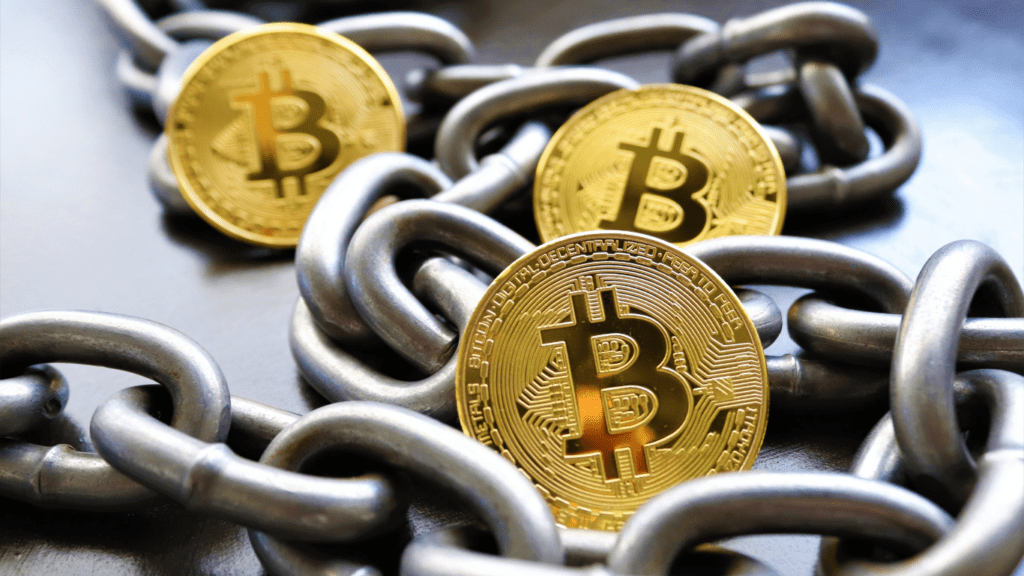

In today’s rapidly evolving digital world, knowing how to keep your network safe NFT ETRSNFT has become essential—not just for cybersecurity professionals, but for everyday users trading NFTs or investing in blockchain tech. With decentralized apps and wallets becoming more common, network security is no longer optional. This guide breaks down core strategies to protect your digital footprint. For a deeper dive, check out how to keep your network safe NFT ETRSNFT.
Why Network Security Matters in the NFT Space
NFTs are decentralized by nature, but that doesn’t make them immune to threats. Hackers target weak points ranging from unprotected Wi-Fi connections to vulnerable smart contracts. Whether you’re minting NFTs, managing a wallet, or browsing Web3 projects, you’re exposed.
These threats go beyond phishing emails. We’re talking wallet spoofing, man-in-the-middle attacks, malicious browser extensions, and even fake airdrops. The consequences? Compromised assets, stolen NFTs, and irreversible damage to your financial or digital identity.
That’s what makes understanding how to keep your network safe NFT ETRSNFT non-negotiable.
Know Your Risk Profile
Before we dive into tools and protocols, assess what you’re protecting:
- Active NFT trader or collector
- Developer deploying smart contracts
- Wallet holder with large balances
- Occasional buyer/seller using browser wallets like MetaMask
Each user type requires a nuanced approach. But the basics of digital hygiene still apply: use strong passwords, enable multi-factor authentication, and avoid using public Wi-Fi for transactions.
Step 1: Use a Secure & Private Connection
Your internet connection is ground zero for security. Here’s how to fortify it:
Use a VPN
A reliable VPN encrypts your internet traffic and masks your IP address. This stops hackers from tracking your activity or injecting malicious code via network vulnerabilities.
Avoid Public Networks
Browsing in coffee shops or airports? That’s risky. Public networks are playgrounds for attackers who can intercept login credentials and other sensitive data.
Step 2: Harden Your Devices
Your laptop or phone can be the weakest link.
- Keep your OS and all apps fully updated
- Install reputable antivirus and anti-malware software
- Turn on auto-updates for your browser extensions and crypto wallets
- Use biometric logins if available on your device
Smartphone wallets are convenient, but they’re also frequent targets. Make a habit of locking your phone instantly after use.
Step 3: Validate Every Transaction
One mistake users make is rushing blockchain transactions. That’s risky.
- Always check that wallet addresses match exactly. One character off can signal phishing.
- Use multi-signature wallets when dealing with higher-value NFTs.
- Don’t interact with smart contracts or dApps that seem unfamiliar or suspicious.
Confirm all permissions before approving a transaction in your wallet. If something asks for unlimited access to your tokens, pause and reevaluate.
Step 4: Install Browser Extensions Carefully
Not every shiny Chrome extension is safe. Some mimic legit tools and steal wallet credentials.
Tips:
- Only install extensions from verified developers
- Check reviews and update frequency
- Don’t install more than you need
A cluttered browser is a hacker’s playground. Prune aggressively.
Step 5: Practice Smart Wallet Management
When it comes to NFTs, your wallet is sacred ground.
Separate “Hot” and “Cold” Wallets
- Use a hot wallet for everyday interaction (e.g., MetaMask)
- Store high-value NFTs in a cold wallet (e.g., hardware wallets like Ledger or Trezor)
Don’t expose your vault wallet unless absolutely necessary.
Back-Up Securely
Keep a physical (not digital) copy of your wallet seed phrase. Store it offline in a fireproof compartment or safety deposit box. Never store your recovery phrase in your email or on the cloud.
Step 6: Beware of Social Engineering
Hackers are patient and creative. Social engineering techniques can trick even savvy users:
- Impersonation scams in Discord or Twitter DMs
- Fake customer support pages
- Phishing links on NFT project chats
Best habit? Never click blind links. If you’re unsure, go directly to the site or check community channels for legit links.
Step 7: Update Your Knowledge Constantly
The NFT world doesn’t stand still, and neither do its threats. Make it part of your routine to stay informed.
- Follow blockchain security experts on social media
- Subscribe to threat intelligence newsletters
- Attend Web3 security webinars or conferences
Proactive knowledge is your best defense. It’s what separates careless traders from resilient investors.
Final Thoughts
Mastering how to keep your network safe NFT ETRSNFT isn’t about becoming paranoid—it’s about staying prepared. A few steady habits, combined with the right tools, can dramatically reduce your risk of loss or breach.
The blockchain space is still young. As it grows, so does its attack surface. But if you take your digital security as seriously as you take your NFTs, you’ll stay ahead of the curve. And if you’re just getting started, use how to keep your network safe NFT ETRSNFT as your road map.
 Legal and Regulatory Advisor