
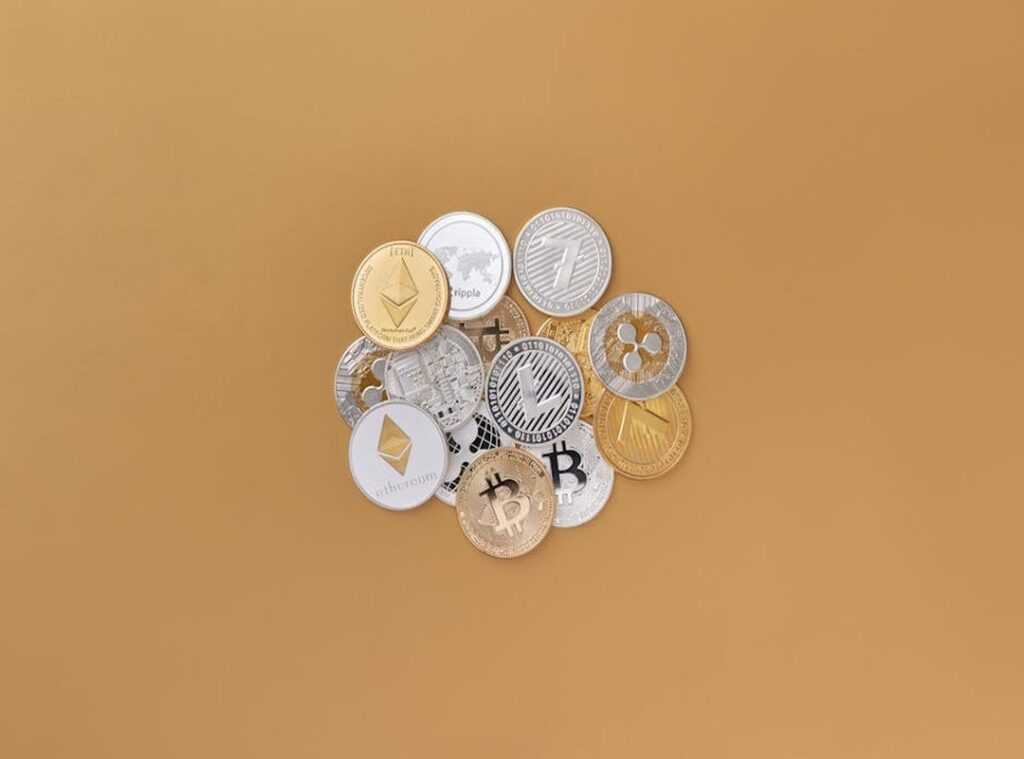
You just bought your first Bitcoin. Or maybe it was Ethereum. And now you’re staring at a screen wondering where the hell to put it.
Do I leave it on the exchange? Is that hardware wallet really worth $120? What happens when I sell half next year (do) I need to track every trade for taxes?
I’ve managed crypto across 17 wallets, 9 exchanges, and 6 tax years. Some of it lost. Some of it gained.
All of it messy.
Most guides either say just use a hardware wallet (too simple) or drop terms like BIP39 mnemonic derivation without explaining why it matters (too much).
This isn’t about trading. It’s not about price predictions. It’s about How to Manage Your Cryptos Etrscrypto.
From day one to five years in.
I’ll walk you through real decisions. Not theory. Not hype.
Just what works when you actually own crypto and want to sleep at night.
You’ll know exactly where to store it. How to back it up without screwing it up. And how to file taxes without panic.
No fluff. No jargon traps. Just clear steps (tested,) repeated, and fixed when they broke.
Step 1: Choose the Right Wallet. Not Just the Safest One
I picked my first wallet wrong. You probably will too. Unless you ask the right questions first.
Etrscrypto covers this well, but let’s cut to what matters: custodial vs non-custodial is not about trust. It’s about control.
Coinbase holds your keys. Ledger + MetaMask? You hold them.
Period.
So ask yourself: How often do you actually move crypto? Daily traders need hot wallets. Long-term holders?
Cold storage wins.
What are you holding? Bitcoin-only? A Ledger Nano X works fine.
But if you juggle ERC-20 tokens, NFTs, and testnets? MetaMask gives you flexibility (if) you know how to secure it.
How comfortable are you with tech? If “seed phrase” sounds like a recipe ingredient, start simple. Don’t jump straight to multisig.
Can you recover your wallet without help? If your answer involves screenshots or Google Docs. Stop.
That’s a disaster waiting to happen.
Here’s how three wallet types really break down:
| Wallet Type | Pros | Cons | Ideal For |
|---|---|---|---|
| Hot (e.g., MetaMask) | Fast access, easy token swaps | Online = hackable | Daily use, DeFi |
| Cold (e.g., Ledger) | Offline = secure | Clunky for frequent sends | Long-term holdings |
| Hybrid (e.g., Trezor + browser extension) | Balances speed and security | More setup, more points of failure | Intermediate users |
Reusing seed phrases? Never. Skipping firmware updates?
Dangerous. Storing recovery phrases unencrypted? That’s just begging for trouble.
How to Manage Your Cryptos Etrscrypto starts here (not) with tools, but with choices.
You’re in charge now. Act like it.
Step 2: Secure Your Keys Like Physical Cash (With) Realistic
I treat my seed phrase like $10,000 in cash. Not digital. Not theoretical.
Actual paper I’d lock in a drawer and check twice before leaving the house.
Here’s what works:
- Primary device protection: Biometrics only. No cloud sync. Isolate your wallet app from other apps (iOS App Groups or Android work profile). – Secondary backup: Engrave your BIP-39 seed on steel.
Store it somewhere else (not) your apartment, not your desk drawer. A safe deposit box counts. Your mom’s attic does too.
You generate the seed offline. Download Ian Coleman’s BIP-39 tool. Disconnect from Wi-Fi.
Open the HTML file in your browser. Click “Generate”. Write it down.
Then click “BIP39 Checksum” (that) little number at the end? It catches typos. That’s how someone lost $12k: one letter wrong in “abandon”, no checksum check.
Paper is safer than cloud notes. Yes, really. Because Google doesn’t get to decide when your account vanishes.
Store the paper in a fireproof lockbox. Not under your mattress. Not taped to your router.
(Yes, I’ve seen both.)
This isn’t about perfection. It’s about habits that survive real life.
How to Manage Your Cryptos Etrscrypto starts here. Not with trading, but with knowing your keys won’t vanish if your phone dies.
Test your restore this week. Not next month. Not after you buy more.
Now.
Step 3: Track Every Transaction. Even Small Swaps and Airdrops
I log every crypto movement. Yes, even that $2.37 airdrop you forgot you claimed.
Here are the five data points I record for every transaction:
timestamp, platform, asset, amount, and purpose.
Purpose is not optional. “Swap to stablecoin” is different from “buy.” “Airdrop claim” is not “gift.” The IRS sees those as separate events.
Binance hides its export button under Wallet → Spot → Statement History → Export. MetaMask? You need to go to Account Details → Export Transactions (not in Settings).
Coinbase puts it in Reports → Generate Report → select date range → click Export.
Gas fees count. Token approvals count. Failed transactions count.
I saw someone skip recording an ERC-20 approval. Later, their wallet got drained. The IRS flagged it as “unreported activity”.
Because the approval looked like a transfer.
You need tools that don’t sell your data or lock features behind paywalls.
Koinly’s free tier works. It imports from all three platforms above. No sign-up pressure.
No pop-ups begging you to upgrade.
Set it up once. Connect your wallets. Let it run.
You can read more about this in Cryptocurrency updates etrscrypto.
You’ll get clean CSVs and tax-ready reports (no) guessing.
If you want real-time updates on what’s moving across chains, check out the Cryptocurrency Updates Etrscrypto feed.
How to Manage Your Cryptos Etrscrypto starts here. Not with spreadsheets, but with consistency.
Skip one swap. Skip one airdrop. You’ll pay for it later.
I wrote more about this in Etrscrypto Cryptocurrency News.
I did. You don’t have to.
Taxes, Forks, and Oops Moments (Plan) Before the Panic Hits
I track every crypto move I make. Not because I love spreadsheets (I don’t). Because the IRS doesn’t care if you forgot.
Sales? Taxable. Swaps?
Taxable. Staking rewards? Taxable.
NFT mints? Usually taxable. Moving ETH from Coinbase to my Ledger?
Not taxable. That’s just me shuffling money between my own pockets.
Forks scare people. They shouldn’t (if) you’re ready. First: verify the chain is real.
Second: check if your wallet supports it before claiming. Third: note the snapshot date. Fourth: wait until your records are audit-ready.
Skipping step four is how people lose tokens and get audited.
Exchange shutdowns don’t happen overnight. Watch for red flags: withdrawals taking 72+ hours. Sudden KYC re-verification demands.
Silence on Twitter. If you see two of those? Move your coins.
Now.
Here’s what I say to support when things break:
*“Hi, my withdrawal ID is [X]. It’s been pending since [Y]. Can you confirm status and estimated resolution time?
I’ll need a case number for my records.”*
Polite. Precise. Paper trail built in.
How to Manage Your Cryptos Etrscrypto starts with expecting chaos. Then building around it.
If you want real-time warnings on chain splits or exchange instability, this guide helps.
Your Crypto Isn’t Waiting. Neither Should You
I’ve been where you are. Staring at balances I couldn’t fully trust. Wondering if that transaction was really recorded.
Worrying about the IRS email that never came (but) might.
This isn’t about perfection. It’s about showing up consistently with four habits: wallet hygiene, logging every move, tracking cost basis, and filing clean reports.
You don’t need to do all four today. Just pick How to Manage Your Cryptos Etrscrypto. One section.
Wallet setup. Or transaction logging. Fifteen minutes.
Right now.
Bookmark this page. Come back tomorrow for the next habit.
That paralysis? It dies the second you act.
Your crypto is yours (and) handling it well starts with clarity, not complexity.
 Senior Analyst