
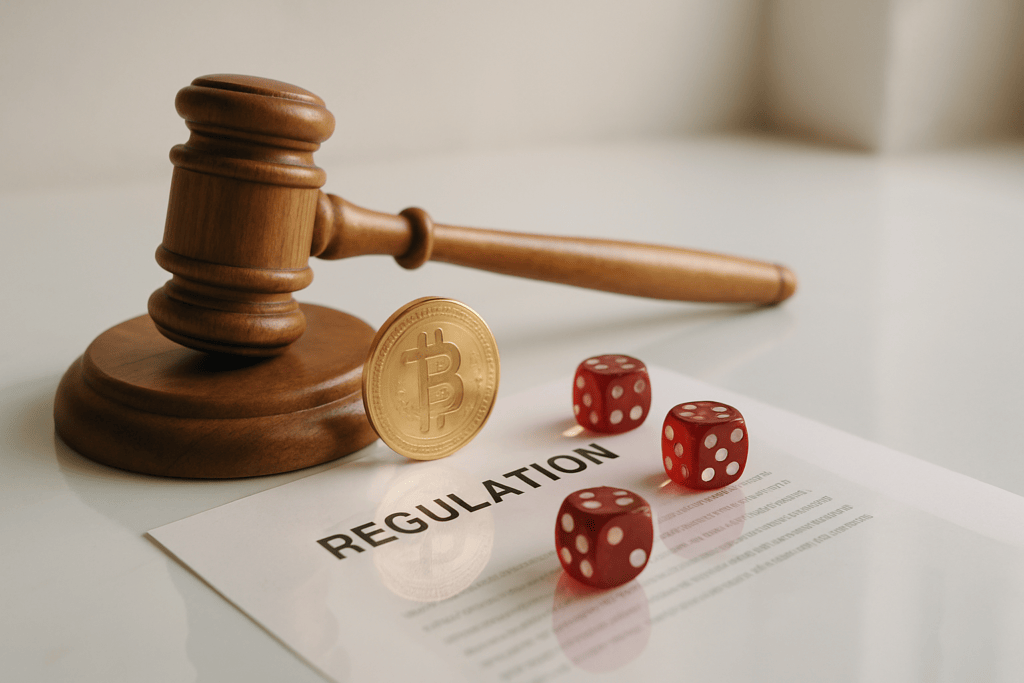
Why Licensing Matters for Crypto Gambling
Running a crypto gambling platform without a license might feel faster and cheaper but it’s a gamble by itself. Legal recognition gives a platform structure; it says you’re accountable, visible, and willing to follow rules that protect users. That matters. A licensed platform can access payment infrastructure, advertise legally, and build long term credibility with users and partners.
Operating in legal gray areas might seem appealing early on less paperwork, fewer fees but it cuts both ways. Without proper oversight, you’re more exposed to seizure of funds, blacklisting by banks or app stores, and sudden access blocks by ISPs or governments. Users notice, too. Players placing real value on the line want confidence that games are fair, payouts will come, and they won’t wake up locked out of the site.
More regulators are tying crypto gambling to traditional gaming laws. That’s your sign to choose legitimacy over loopholes. A license isn’t a box to check it’s a foundation to build on.
Major Licensing Jurisdictions and Their Policies
When it comes to crypto gambling licenses, five regions consistently come up: Malta, Curaçao, Isle of Man, Gibraltar, and Kahnawake. Each offers different strengths depending on what your platform needs some are quicker, some stricter, some more open to blockchain innovation.
Malta has long been a gold standard, especially with its forward leaning stance on blockchain. It recognizes crypto as a form of currency under certain conditions and requires full KYC/AML compliance. Tight audits, yes but also strong credibility. Curaçao is easier to enter. It’s popular for startups due to lower cost and faster approvals. But it’s also under pressure from the international community to raise its compliance game.
The Isle of Man offers a crypto friendly environment with clear regulatory guidance. It’s not cheap or fast approval can take several months but it’s highly respected. Gibraltar punches above its weight, having tailored frameworks for blockchain businesses. It’s moderately priced, but demands careful attention to ongoing reporting and audits.
Kahnawake, a Mohawk territory in Canada, stands out with its autonomy and openness to different online gambling formats. Its licensing is relatively affordable and efficient, though it’s less focused on crypto specifically so operators often combine it with another license.
Overall costs range from as low as $15,000/year in Curaçao to over $50,000/year in Malta or Gibraltar when you factor in taxes, audits, and legal fees. Approval timelines vary from weeks (Curaçao) to 6+ months (Isle of Man). What all five jurisdictions share: an increasing expectation that crypto platforms won’t just operate above board they’ll prove it, audit trails and all.
Common Compliance Hurdles for Crypto Platforms
Running a crypto gambling platform in 2024 requires more than just a flashy interface and some tokens. Regulators are watching closely, and platforms that sidestep compliance are risking everything from player trust to full shutdowns.
The first major hurdle: KYC (Know Your Customer) and AML (Anti Money Laundering) procedures. Any legit platform needs to verify user identities and monitor transaction behavior for red flags. This isn’t just box ticking it’s about proving you’re not a money laundering front. Skipping it means losing licenses or worse, getting blocked entirely from major geographies.
Next up, volatility. Crypto assets shift in value by the minute which means so can a platform’s financial standing. Operators need to provide real transparency into how they manage player funds, handle liquidity, and account for swings. Users are savvier now; they want hard numbers, not vague promises.
And finally, smart contracts. If these are handling betting logic or payouts, they need to be independently audited. One bug or loophole can drain a treasury overnight or open the door to exploits. Solid smart contract audits don’t just protect the house, they show users the game is fair and clean.
Successful platforms are leaning into these challenges. They bake compliance into the build, not just as a patch later. Because in this space, trust isn’t built through marketing it’s earned through transparency and code.
How Regions Vary in Gambling Laws

Cryptocurrency adds a new layer of complexity to international gambling laws. What qualifies as “gambling” especially when decentralized assets are involved differs dramatically by country, creating legal challenges for platforms seeking to operate globally.
What Constitutes Gambling with Crypto?
The legal definition of gambling varies across jurisdictions, and when crypto is involved, the lines can blur even more. In many countries, the use of cryptocurrency doesn’t change the core criteria regulators use to classify gambling, but in others, it significantly alters the regulatory landscape.
Key variables that influence legal classification:
Element of chance: Is there a random outcome that determines winnings?
Monetary value: Do crypto wagers qualify as monetary stakes?
Prize structure: Are users receiving something of value in return?
Blockchain mechanics: How do smart contracts factor into game fairness or control?
Each of these plays a role in how a country may choose to regulate, restrict, or ban crypto powered gambling services.
The Global Legal Checkerboard
Crypto gambling faces wildly different levels of acceptance worldwide. Some countries welcome the sector under clear licensing frameworks, while others impose total bans or operate in legal gray zones.
Unrestricted or Lightly Regulated Regions
Curaçao and Kahnawake offer relatively accessible licensing pathways for crypto platforms
Malta and Gibraltar provide clearer guidelines but scrutinize financial controls more closely
Isle of Man is open to crypto but demands higher compliance integrations
Tightly Restricted or Prohibited Markets
China and India maintain strict stances on crypto related gambling, often enforcing bans
United States offers a patchwork of state laws, with federal uncertainty remaining a major barrier
United Kingdom remains cautious, with the UKGC regulating crypto gambling increasingly aggressively
Understanding which regions are open, cautious, or outright prohibitive is critical for crypto gambling platforms mapping out their expansion strategy.
Explore Regional Laws in Depth
For a more detailed cross jurisdictional analysis, visit the guide here:
Comparative Analysis: Gambling Laws Across Continents
Trends in Global Crypto Regulation
Crypto gambling is walking a tightrope in 2024, and the regulatory winds are shifting fast. On one end, some governments are experimenting with innovation zones regulatory sandboxes that invite operators to test crypto based gaming in controlled settings. Hong Kong, Dubai, and parts of Switzerland are leading this charge, letting platforms innovate while staying inside legal lines. These sandboxes offer a rare balance: room to grow with guardrails attached.
But the mood isn’t universally friendly. Major jurisdictions like the UK and U.S. are tightening the screws. The UK Gambling Commission has taken a harder stance, suspending licenses over crypto issues and compliance gaps. Meanwhile, U.S. regulators are cracking down on unlicensed offshore operators and forcing clearer distinctions between gambling and digital asset speculation.
Where some doors are closing, others are opening wider. Emerging markets in Latin America, Eastern Europe, and Southeast Asia are becoming havens for crypto gambling projects, offering more welcoming legal environments and faster onboarding. Jurisdictions like Costa Rica and certain Caribbean nations provide looser interpretations of crypto use, making them attractive bases.
For crypto gambling platforms, reading the regulatory map isn’t optional it’s survival. Choose wrongly, and you risk shutdowns or blacklisting. Choose right, and you gain a launch pad for scale, legitimacy, and long term growth.
What Crypto Platforms Should Prioritize
The best time to think about compliance isn’t after launch it’s on day one. First move: pick a jurisdiction that makes sense not just for getting a license, but for scaling long term. Some regions are fast and cheap up front but come with reputational baggage. Others, while more rigorous, provide a stronger foundation for growth and future funding.
Second, don’t wing the legal advice. Bring in counsel early people who get crypto, gaming, and how the two collide. Your legal team won’t just help you stay out of trouble; they’ll help you make smarter decisions from the ground up.
Finally, build with compliance woven in. Don’t bolt it on later when regulators come knocking. Think audit trails, KYC flows, responsible gambling protocols all baked into your platform’s DNA. The cost of doing this wrong is higher than ever. The platforms that stay standing will be the ones that took the hard steps seriously from the start.
Looking Ahead
The future of crypto gambling is heading toward decentralization fast. DeFi casinos and DAO style governance models are picking up steam, promising transparency, user control, and permissionless betting platforms built on smart contracts. In theory, they remove the middleman. In practice, they introduce new regulatory headaches. Who’s responsible when there’s no central operator? Governments are still figuring that out.
Global regulation isn’t catching up evenly. Some countries are cautiously welcoming experiments in decentralized gambling. Others are doubling down on bans and jurisdictional firewalls. Bottom line: there is no single global rulebook right now. What’s legal in Portugal might be a felony in Malaysia. Projects that want to go international need to navigate a maze and keep both eyes on the map.
Staying compliant means staying informed. Regulations around crypto and gambling shift frequently, and often without much warning. What was okay last quarter could get you blacklisted today. The smartest operators build flexibility into their structure while keeping legal counsel close.
For a closer look at how regulations differ by region, see Gambling Laws Comparison.
 Senior Analyst